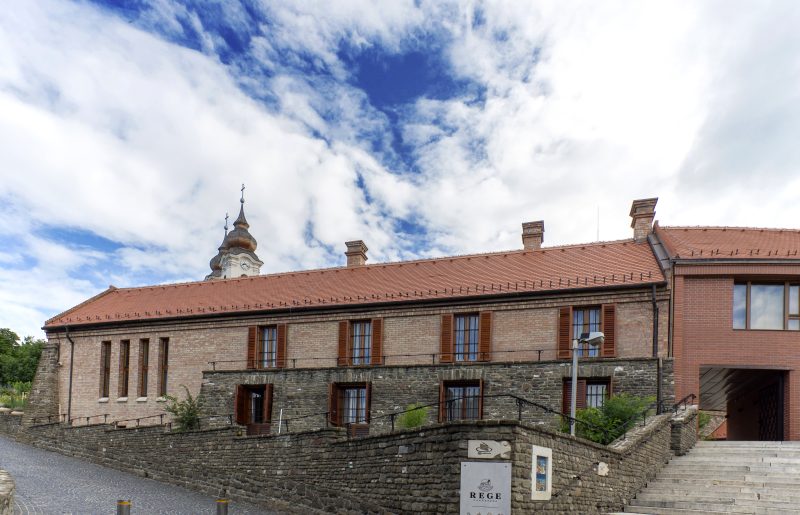
The original article about the renovation of the Benedictine Abbey of Tihany was published by hirado.hu.
Lake Balaton is one of Hungary’s most sensitive and culturally significant landscapes. It is not merely a natural asset, but also a vessel of collective memory, identity, and responsibility. Through the renovation of the Benedictine Abbey of Tihany, the hirado.hu article “The Guardian of Lake Balaton” draws attention to the fact that architectural interventions around the lake are no longer purely functional matters, but long-term decisions shaping landscape use and the safeguarding of heritage.
The article presents an architectural philosophy in which the landscape is not something to be dominated, but understood and responsibly protected. This mindset is closely aligned with the philosophy of Paulinyi & Partners and finds a powerful expression in the renewal of the abbey-one of the Tihany Peninsula’s most iconic landmarks.
Contemporary Responses Embedded in the Landscape
In the Balaton region, materiality and visual restraint are of paramount importance. Contemporary architecture succeeds here only when it responds to the landscape in a systemic and nuanced manner-engaging with topography, proximity to water, light conditions, and layers of historical context.
The concept of – as the article on hirado.hu names it – “The Guardian of Lake Balaton” and the ideas it conveys point precisely to this principle: a building is not an isolated object, but an integral component of the landscape, bearing responsibility for its future. In the case of the Benedictine Abbey of Tihany, this responsibility was simultaneously environmental, architectural, and spiritual. The renewal of a nearly thousand – year-old monument of national significance is therefore not merely an act of restoration, but a cultural statement-one that reflects how we engage with our heritage in the 21st century.
The Weight of Architectural Decisions
In the Balaton region, as in other sites of heightened sensitivity, the architect’s responsibility extends far beyond the boundaries of an individual project. Design decisions shape the microclimate, influence patterns of use, and ultimately determine how a landscape endures for future generations.
According to hirado.hu, it is not a single building or development that safeguards Lake Balaton, but a holistic way of seeing and thinking. This calls for an architectural attitude that is at once contemporary and restrained, technologically informed yet deeply attuned to its natural environment.
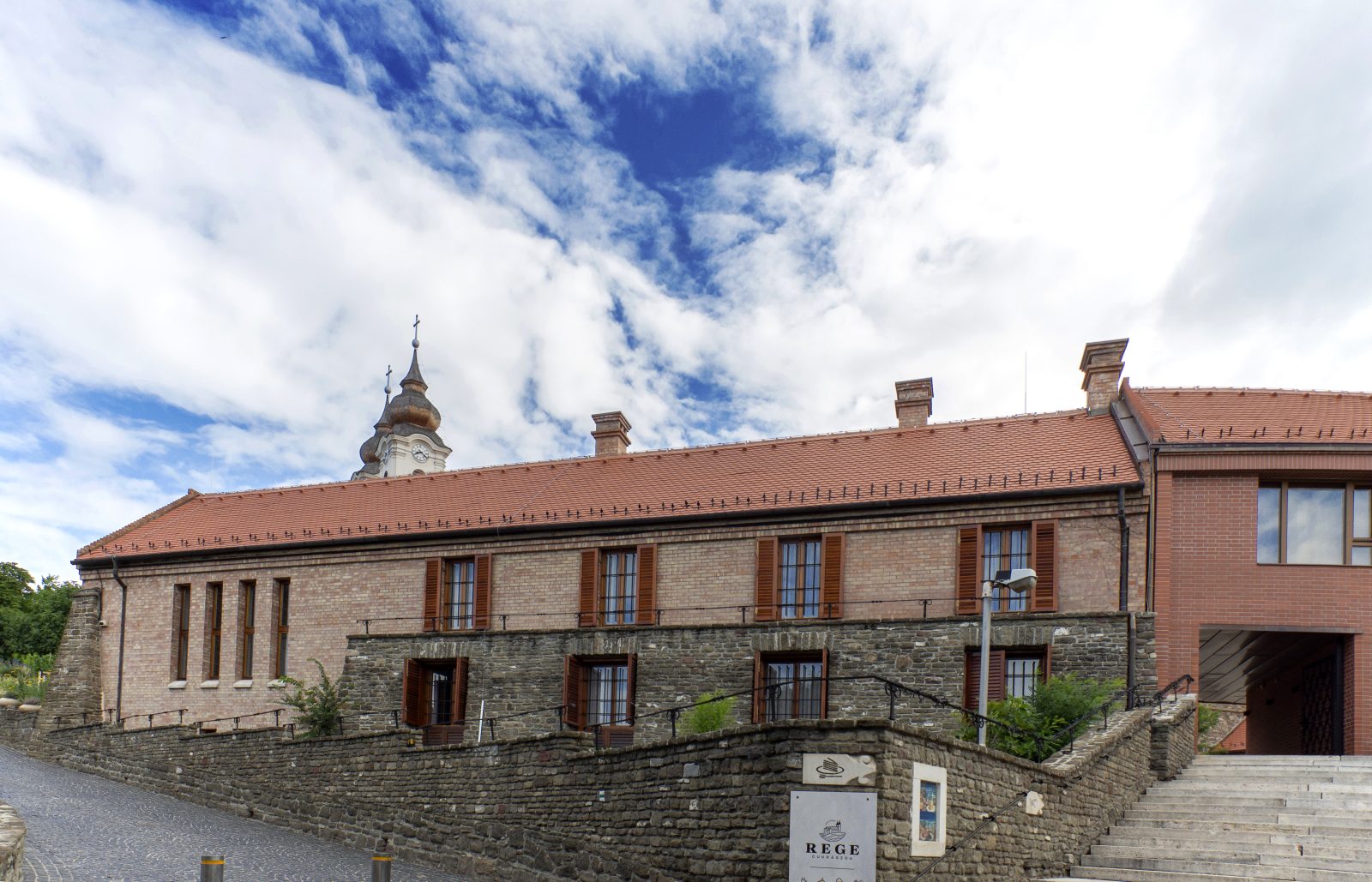
The renovation of the abbey exemplifies such an approach: one that avoids spectacular gestures in favour of refined proportions, carefully considered material choices, and precise spatial articulation. The result is not a “new” building, but a living heritage – one that continues to resonate with today’s visitors.
In this sense, the Abbey of Tihany is not only an icon of Lake Balaton, but also a compass. It demonstrates how architecture can become a true guardian: a bearer of heritage that does not diminish the landscape, but enriches it – with knowledge, responsibility, and enduring values.
(Photo by Tamás Szántó)