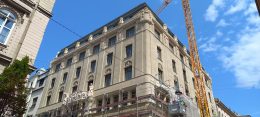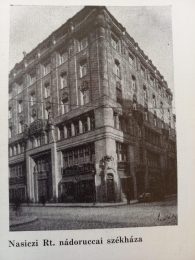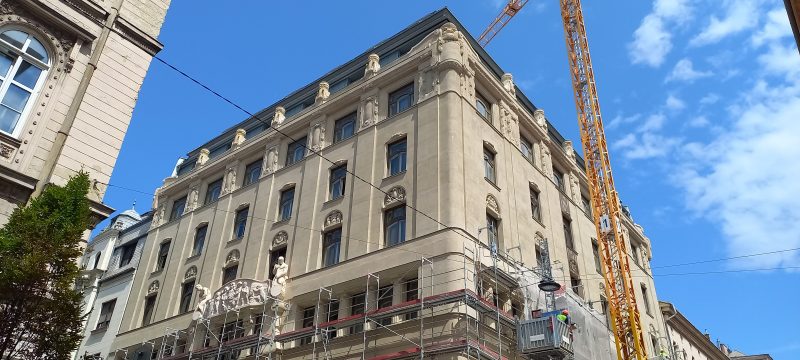
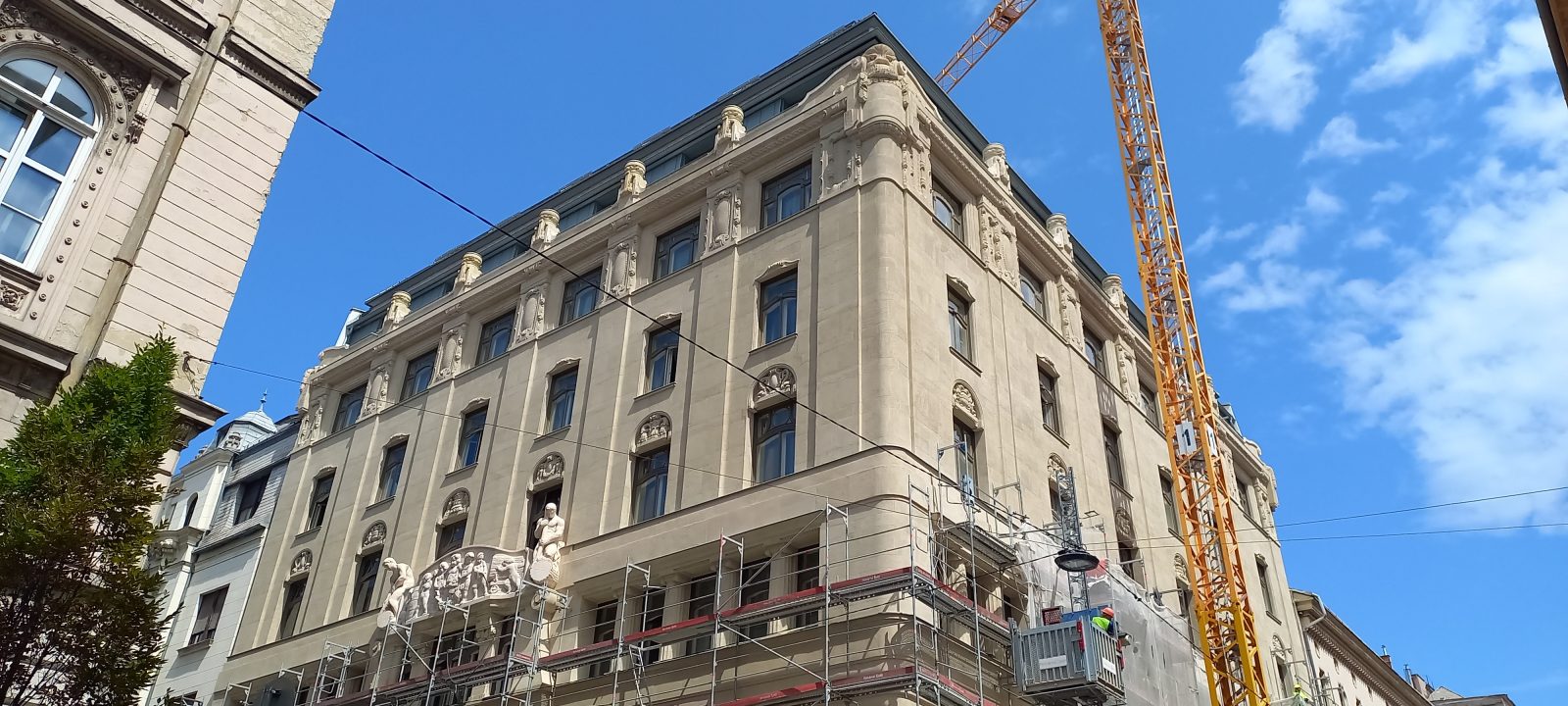
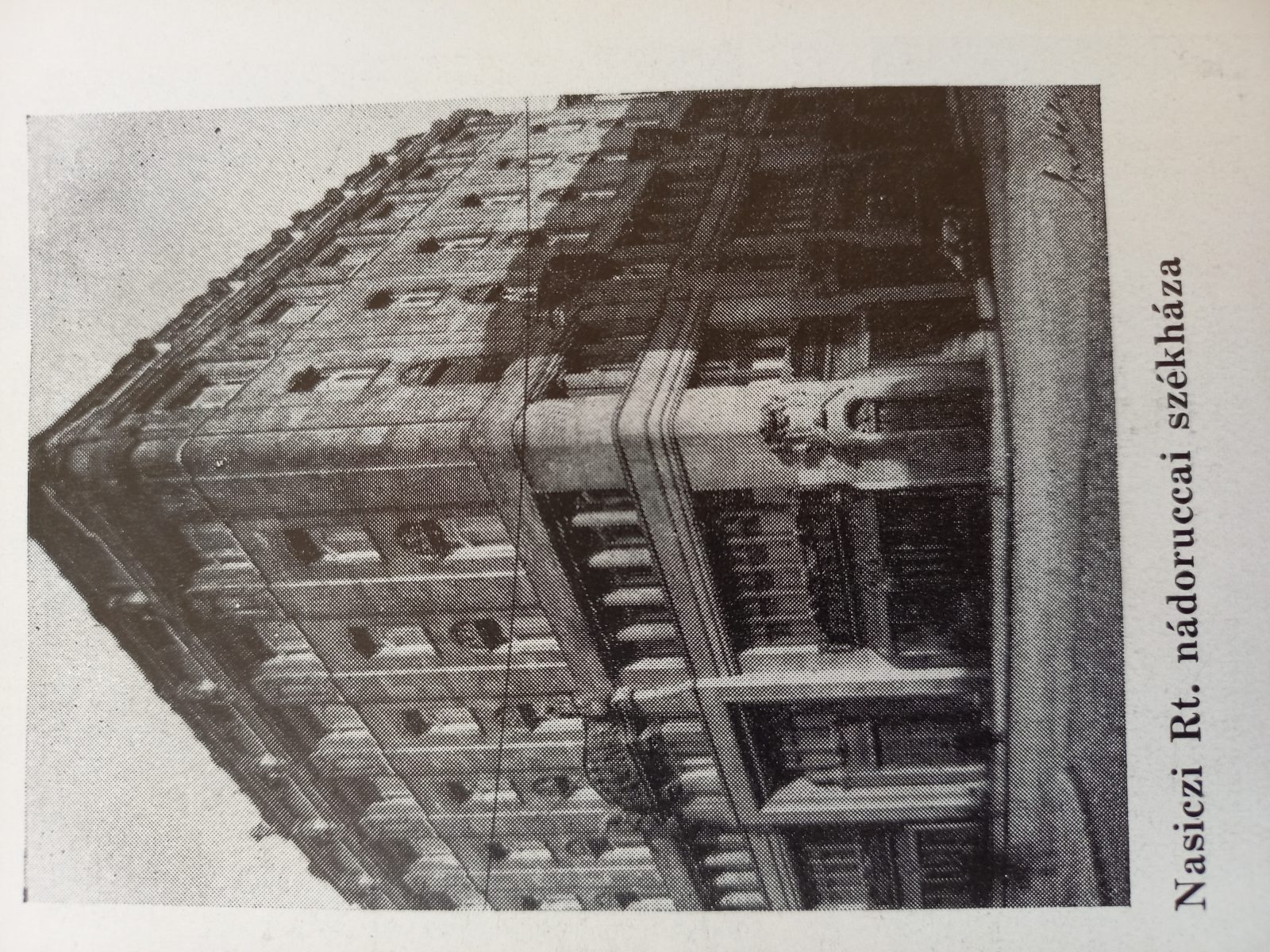
During the renovation of the listed building at Nádor Street 21, particular emphasis was placed on the restoration of the facade. The objective of the interventions was to preserve the historic materials and architectural detailing that define the building’s character, while introducing contemporary, long-term sustainable technical solutions.
Restoration of stone surfaces with respect for original materials
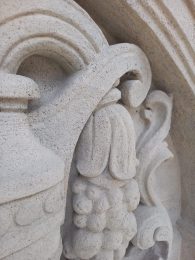
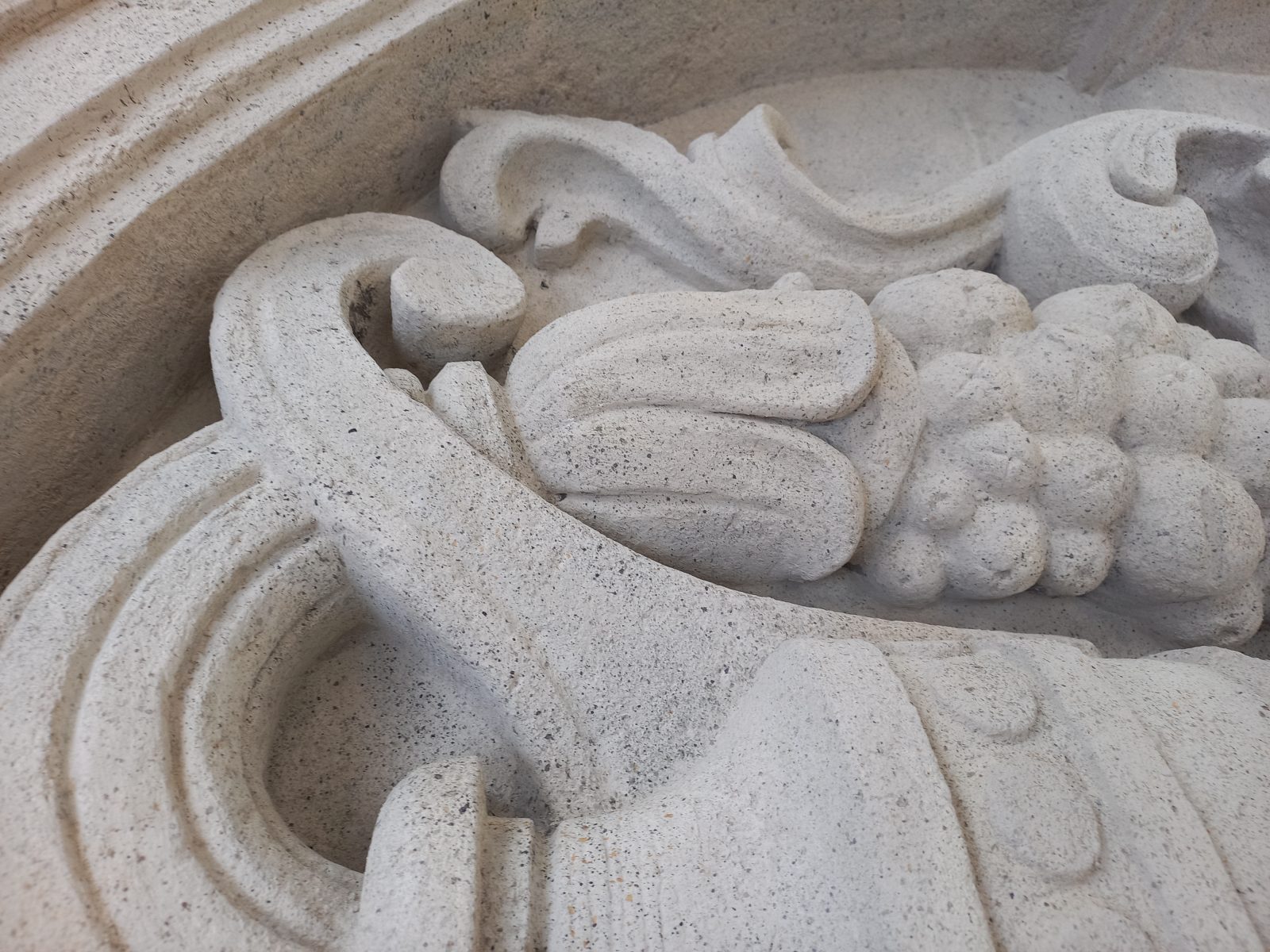
The facade is predominantly defined by rough limestone of Sóskút origin, applied in varying thicknesses, which has suffered significant deterioration over the decades. Previous interventions in the 1980s – particularly the use of synthetic resin-based coatings – further compromised the condition of the stone surfaces, making comprehensive restoration unavoidable.
As part of the renovation, the stone cladding was cleaned and structurally reinforced, the cornices were restored, and missing elements of the ornamental details were carefully reconstructed. Damaged sculptures were re-carved using hard limestone. To ensure durability, the cornices were secured with modern stainless fixing solutions, while the uniform appearance of the facade was restored using a breathable, silicate-based glazing system.
In addition, the sheet metal works and the rainwater drainage system were fully renewed, providing long-term protection for the facade.
Window replacement without compromise
The condition of the street-facing windows no longer met contemporary requirements: the structures had deteriorated, and most locking mechanisms had become inoperable. During the renovation, and in line with heritage conservation principles, new windows were installed between the 1st and 7th floors, while preserving one original “sample window” per level.
A key design principle was to retain the original appearance. The traditional double-casement system, proportions, and profiles were preserved, while the structures themselves were upgraded. The custom-made, laminated timber windows provide modern thermal and operational performance, allowing the intervention to be understood as a form of “invisible modernisation.”
In the attic level, entirely new windows with triple glazing were installed, meeting current energy performance standards. In the case of the existing street-level shopfronts, the external appearance was retained, while the internal structures were replaced to ensure contemporary usability.
Renewed roof surfaces in harmony with the facade
The refurbishment of the roof surfaces formed an integral part of the facade reconstruction. On the 6th-floor roof section, the previous metal covering was replaced with a modern double standing seam titanium-zinc system, offering both durability and an appearance consistent with the building’s character.
At the mansard level, the revealed structural issues necessitated a complete roof replacement. The new insulated timber roof structure follows the original division pattern, while incorporating a contemporary build-up and fibre cement covering to ensure long-term performance.
Balancing heritage and modernisation
The facade renovation reflects the same design approach that defines the overall renewal of Nádor Street 21: preserving historic values is not merely about conservation, but about their conscious reinterpretation with engineering precision.
As a result of these interventions, the building retains its original architectural character while functioning as a modern, sustainable office building.
For our architects, it is always a source of pride to contribute to shape the contemporary cityscape of Budapest through our projects - especially while creating lasting values that respectfully reflect the architectural heritage of the past.