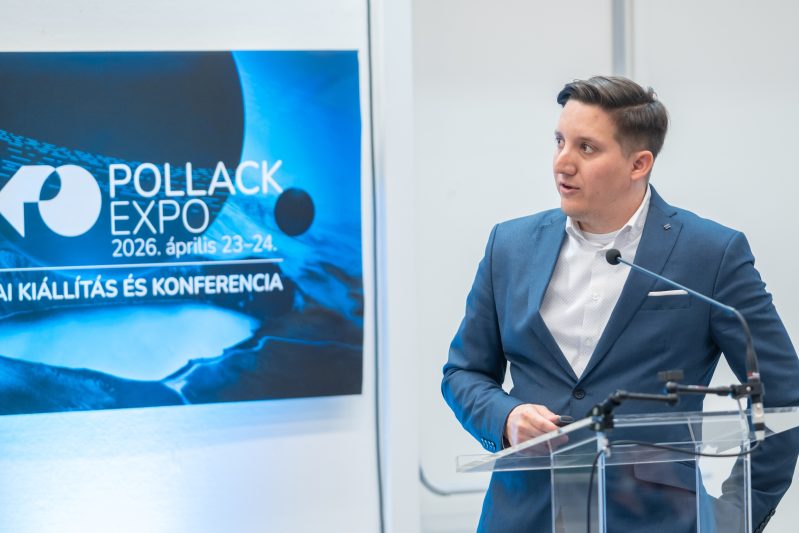
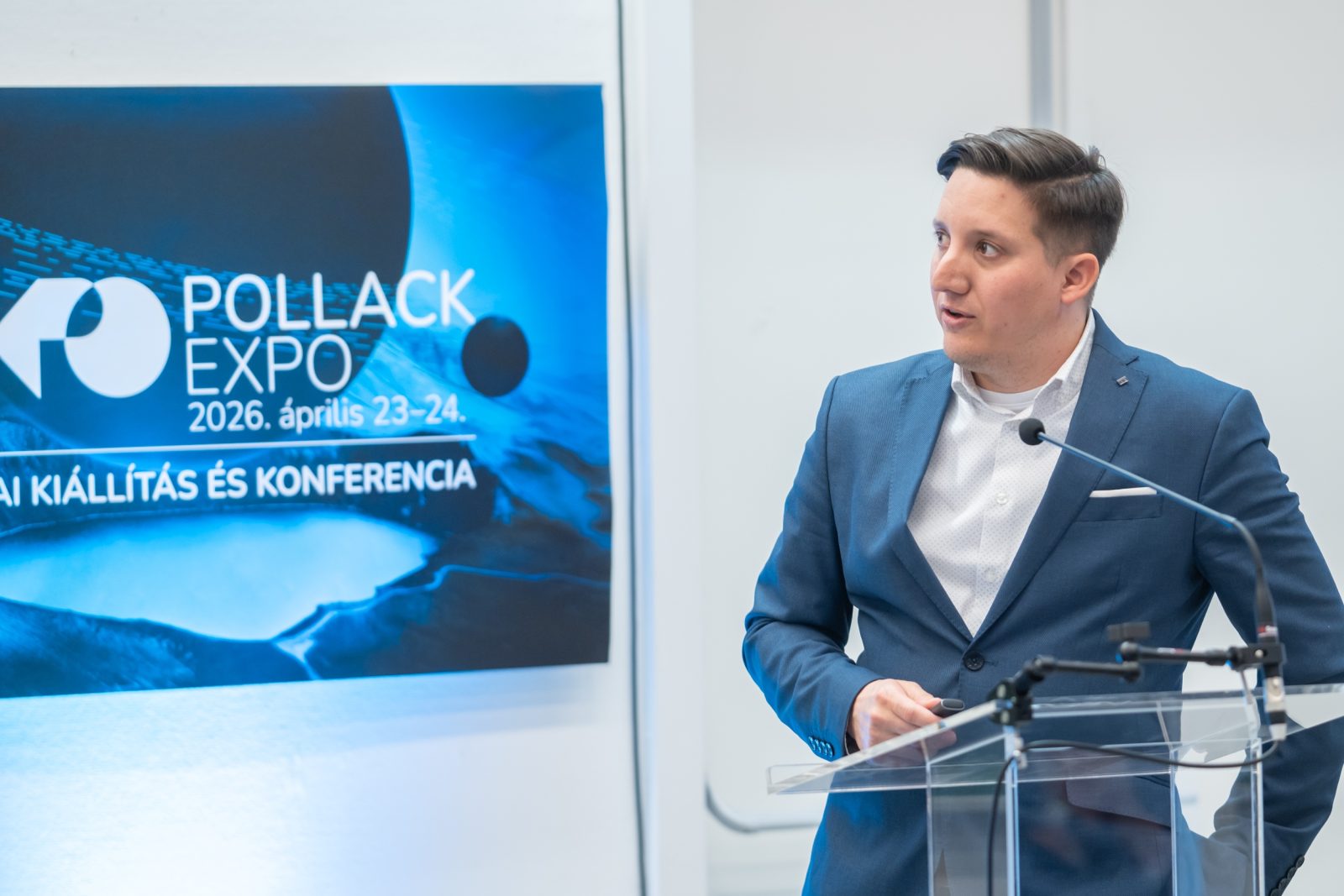
On 23 April, Béla Szivák, Digital Development Leader at Paulinyi & Partners and CEO of Paulinyi & Partners Innovations, represented our group at this year’s Pollack Expo in Pécs – one of Hungary's most significant professional forums for innovation in architecture and the construction industry. Through his three presentations, the audience gained insight into the practical applications of data-driven design, artificial intelligence, and space technology in the built environment.
Keynote: What does the space industry have to offer architecture?
In his opening presentation, Béla Szivák explored how the technological and conceptual advances of space research are reshaping contemporary architectural thinking. Systems developed for extreme environments open new directions in the design of energy-efficient solutions, material use, and self-sustaining infrastructure. Through initiatives such as the HeatScape Resolve system and the SaSCA project, Paulinyi & Partners is at the forefront of translating these insights into everyday practice.
Data-driven decision support: a key pillar of future technology
In the session titled "See Beyond the Data", Béla Szivák outlined how architecture and urban planning are increasingly relying on artificial intelligence, Earth observation, and decision-making based on data. Integrated systems and predictive models – including Energy Quick Scan, EasyInvest, and Urban Energy Scan – support the optimisation of investment, energy, and sustainability strategies in contemporary design practice.
Artificial intelligence in everyday practice
In the afternoon session, the Pollack Expo audience heard Béla's reflections on the practical integration of artificial intelligence into office workflows. AI primarily manifests in architectural digitalisation through the automation of repetitive, time-intensive tasks – yet the steps involved in its implementation and the evolving regulatory landscape raise increasingly important questions about the extent to which AI can and should inform architectural decision-making.
A shared vision about data and people
Taken together, the three presentations offered a clear illustration of the philosophy that guides our group's day-to-day work: data-driven approaches, the integration of space technology, and AI are not standalone tools, but collectively contribute to the creation of a human-centred, sustainable built environment. The cities of the future are already visible in satellite data today – our responsibility is to integrate that data into decision-making thoughtfully and responsibly.
Year after year, Pollack Expo serves as a forum for professional renewal and meaningful dialogues. We were delighted to contribute our own perspective and professional standpoint to this year's schedule.